
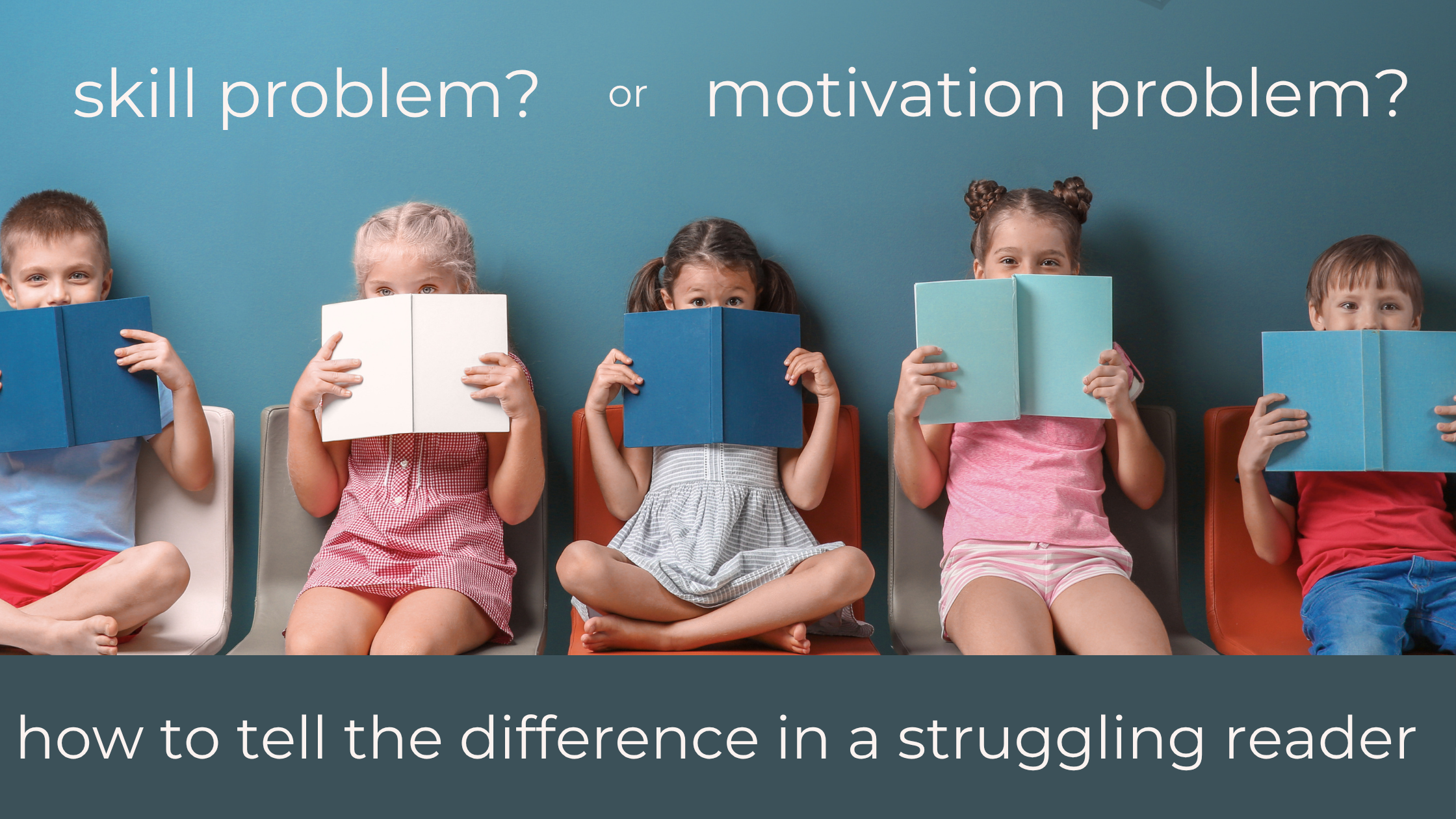
Is Your Child's Reading Struggle About Skill or Motivation?
Most parents assume their kid either can't read or won't read. In my experience, it's almost always both, just in different amounts. A skill problem and a motivation problem look very different, and the fix for one will make the other worse.
Why Your Kid Won't Read
T”ime to read!" "Ughhhhh." Sound familiar? The problem usually isn't that your kid can't read. It's that reading has become the thing they do when someone makes them. I put together a free 5-day challenge that changes what reading feels like for your kid.

New at The Discovery Reading Club: Parent Coaching
Not every kid who needs reading support needs a tutor. Some just need a parent with the right plan. I'm now offering parent coaching, a structured program where I assess your child, build a custom activity plan, and guide you through it week by week. Here's what it is, who it's for, and why I built it.
What Parents Should Know About Dyslexia
Dyslexia is one of the most common learning differences, and one of the most misunderstood. Here's what it actually is, what the signs look like, what the myths get wrong, and what you can do if you think your child might have it.
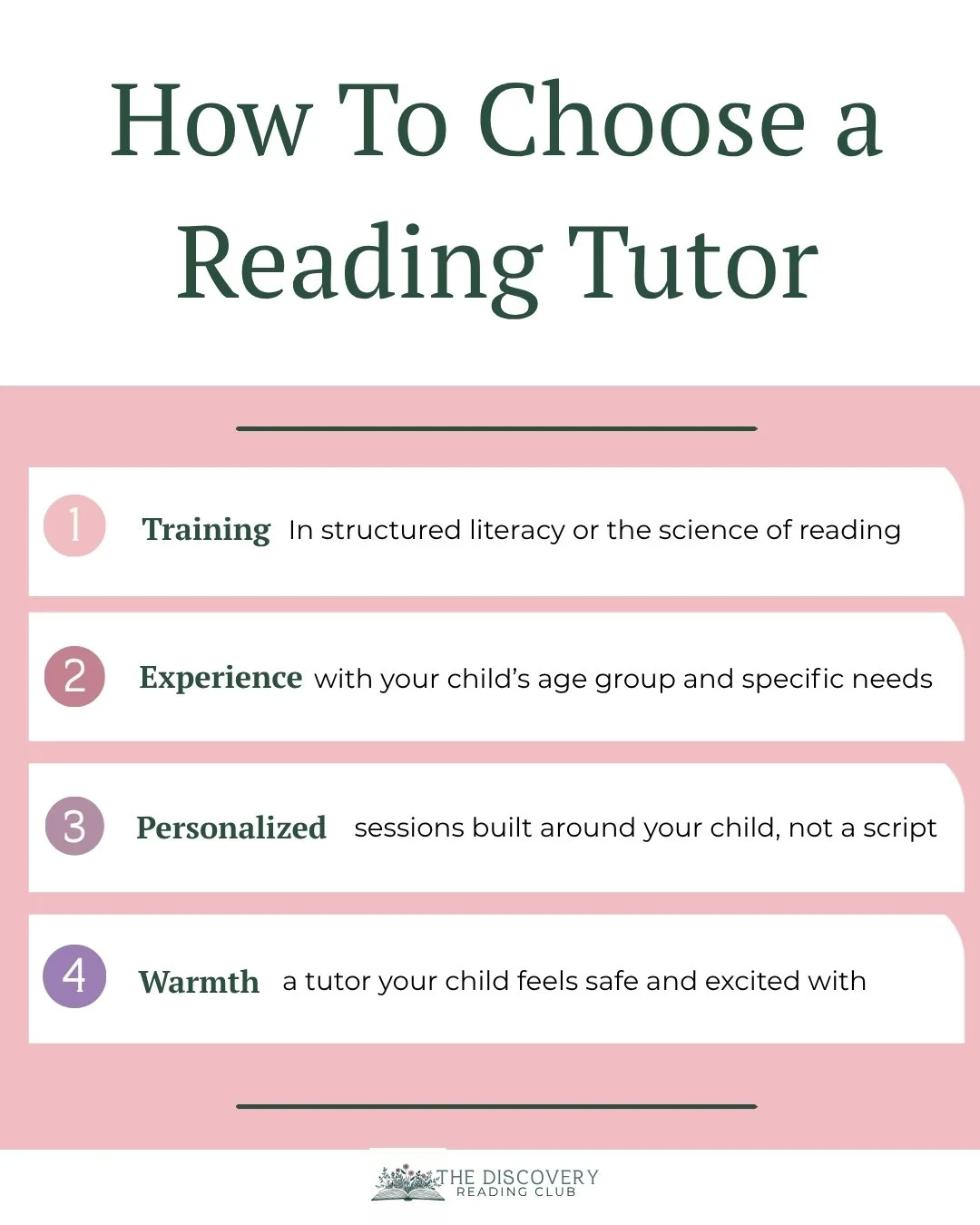
How to Choose a Reading Tutor: What Every Parent Should Know
Choosing a reading tutor can feel overwhelming. What qualifications matter? What should you ask? What should sessions actually look like? Here's what I'd tell a friend who was looking for a tutor for their kid.
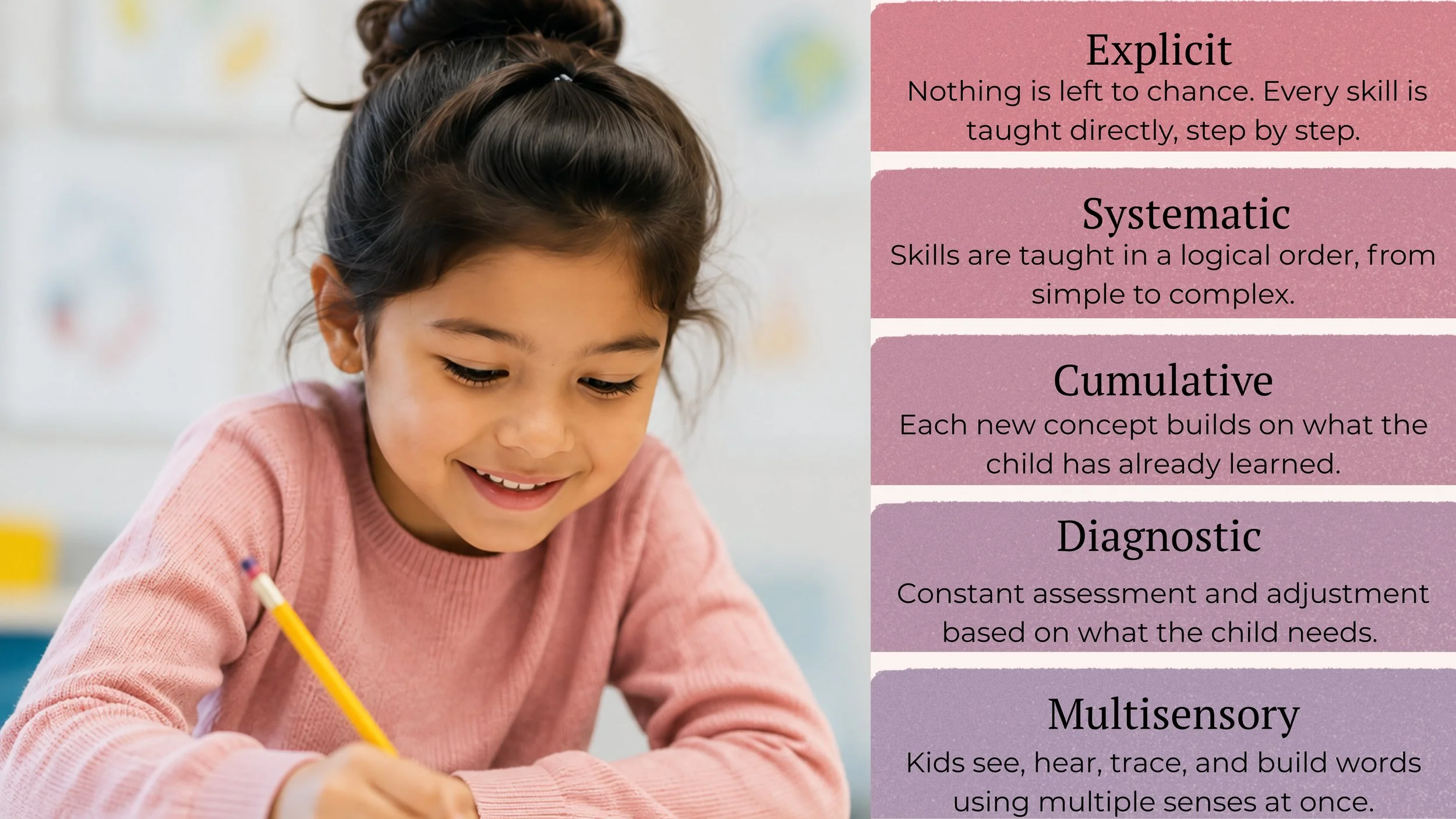
What Is Structured Literacy?
Structured literacy is a way of teaching reading that's explicit, systematic, and grounded in the science of reading. It works for all kids — and it's especially powerful for kids who are struggling. Here's what parents should know.
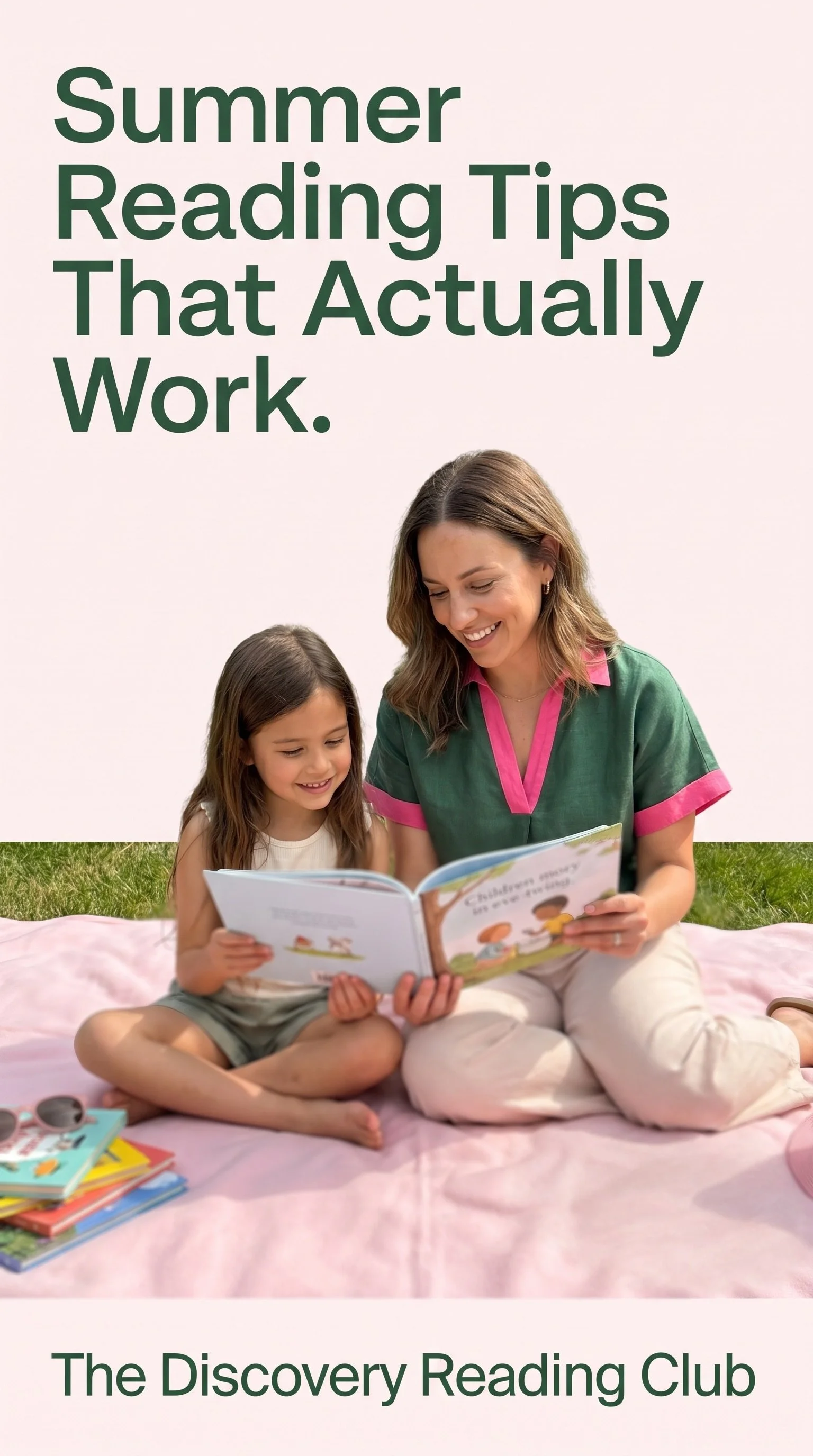
How to Keep Kids Reading This Summer (Without the Power Struggle)
Summer is supposed to be fun — but did you know kids who don't read over the break can lose up to two months of reading progress? The good news is, preventing the "summer slide" doesn't require a structured curriculum. It just takes a little intention and a lot of flexibility. From letting your child choose their own books to sneaking literacy into everyday activities like cooking and scavenger hunts, there are so many ways to keep reading alive without it feeling like school. Read the full post for all my favorite tips.

The Science of Reading: What Every Parent Should Know
Reading is not natural. Unlike speaking, which children pick up instinctively, reading has to be explicitly taught , our brains simply aren't wired for it. That's the foundation of the science of reading, and it changes everything about how we should be teaching kids to read. For children with dyslexia, which affects roughly 1 in 5 people, the right approach matters even more. Structured, multisensory methods like Orton-Gillingham don't just help struggling readers catch up — they give every child a stronger foundation. When a child traces a letter in sand, taps it out on their arm, and says it aloud all at once, the brain builds connections that stick.

5 Signs Your Child Might Need Reading Support (And What to Do About It)
Not sure if your child needs reading support? Here are five common signs to look for — and what you can do about each one. None of these mean anything is wrong with your child. They just mean their brain might need a different path to becoming a confident reader.